
CIOReview APAC Weekly Brief
Be first to read the latest tech news, Industry Leader's Insights, and CIO interviews of medium and large enterprises exclusively from CIOReview APAC
A featured contribution from Leadership Perspectives: a curated forum reserved for leaders nominated by our subscribers and vetted by the CIOReview Advisory Board.

Richemont [SWX: CFR]
Transforming Business Operations with Robotic Process Automation
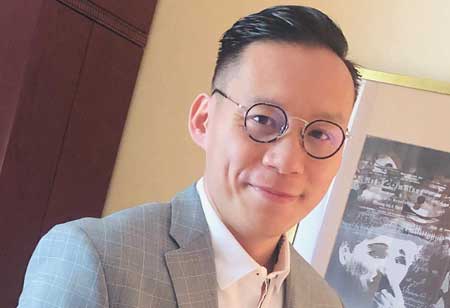
1. What does the typical day look like for you when working in the RPA projects or sector?
As an RPA professional, I work closely with our business leaders to understand their needs and identify opportunities for automation that can deliver major improvements to drive operational excellence. I also collaborate with my digital application team for development, monitor the daily automated processes, and ensure that the automation programs are appropriately integrated into existing applications and systems.
To maintain a competitive edge, it is vital to keep track of industry trends and stay up-to-date with emerging technologies and best practices. This includes attending industry events, participating in online professional networks, and committing to ongoing learning and skills development.
2. What are the recent trends or challenges in the RPA industry?
The field of RPA is constantly evolving with new technologies. The emergence of Generative AI models has improved the capabilities of RPA solutions in areas such as document understanding and image recognition. These models are now capable of learning from data to make more accurate decisions in workflows and processes. In addition, cloud-based automation solutions offered by leading technology providers like UiPath and Microsoft are becoming more popular due to their scalability, flexibility, and accessibility of new features and upgrades. This helps companies to reduce infrastructure costs and maintenance associated with on-premise solutions.
"RPA is a subject that is always developing alongside new technologies, and Generative AI models have enhanced the capabilities of RPA solutions in areas like document understanding and image recognition."
Some key challenges need to be addressed when implementing RPA solutions such as identifying the processes suitable for automation, ensuring data quality, legacy systems integration, scaling and maintenance, managing workflow changes, and aligning with security and compliance. These challenges require ongoing change management and support.
3. Are there any emerging technologies in the RPA industry that you are optimistic about?
The RPA industry is being revolutionized by new technologies such as hyper-automation that combines artificial intelligence (AI) and machine learning (ML) with RPA, as well as computer vision and natural language processing (NLP). These technologies have expanded the capabilities of RPA solutions to understand and process unstructured data. As a result, RPA solutions can now read and comprehend data from documents such as invoices, receipts, purchase orders, and contracts, attempting to contextualize and extract relevant information for further analysis and processing.
4. What is your advice for other senior leaders and CXOs working in the RPA industry?
To ensure successful and sustainable RPA initiatives, I recommend that senior leaders and CXOs to define a clear automation strategy that aligns with their digital transformation objectives. It is also crucial to invest in establishing a well-equipped Center of Excellence (COE) with skilled technology teams who can create, develop, and implement RPA solutions with best practices, and foster an innovative culture. Since RPA is always evolving, a governance model is necessary to ensure optimal robot performance and reduce business risk by following security and compliance policies. Staying updated with the latest trends and technologies, closer stakeholders collaboration, and continuously monitoring and optimizing RPA solutions can help you to maintain a competitive edge.
